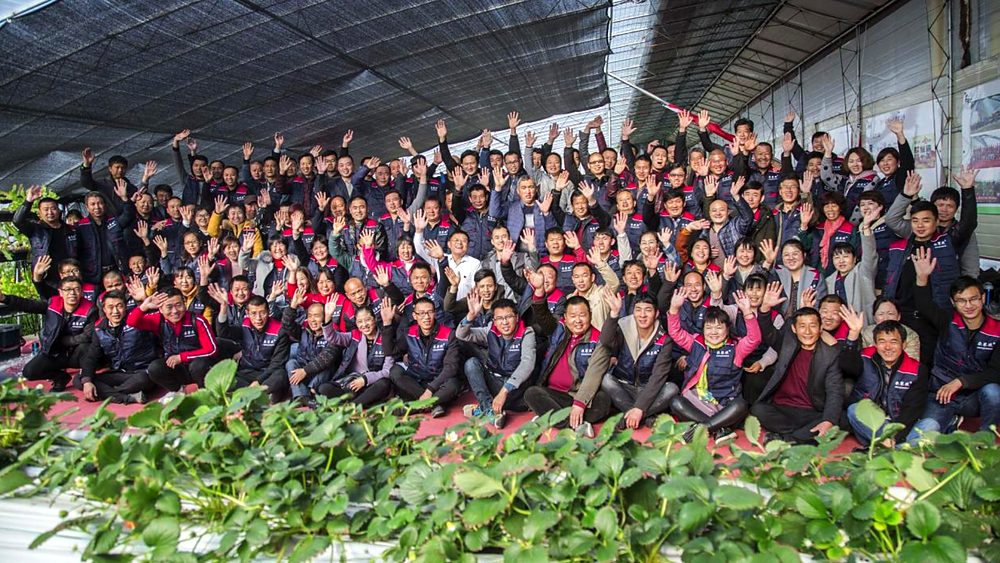
200,000+ trainees · 30 provinces · Foreign Expert Workstation · Invitation documents provided for short-term training visas
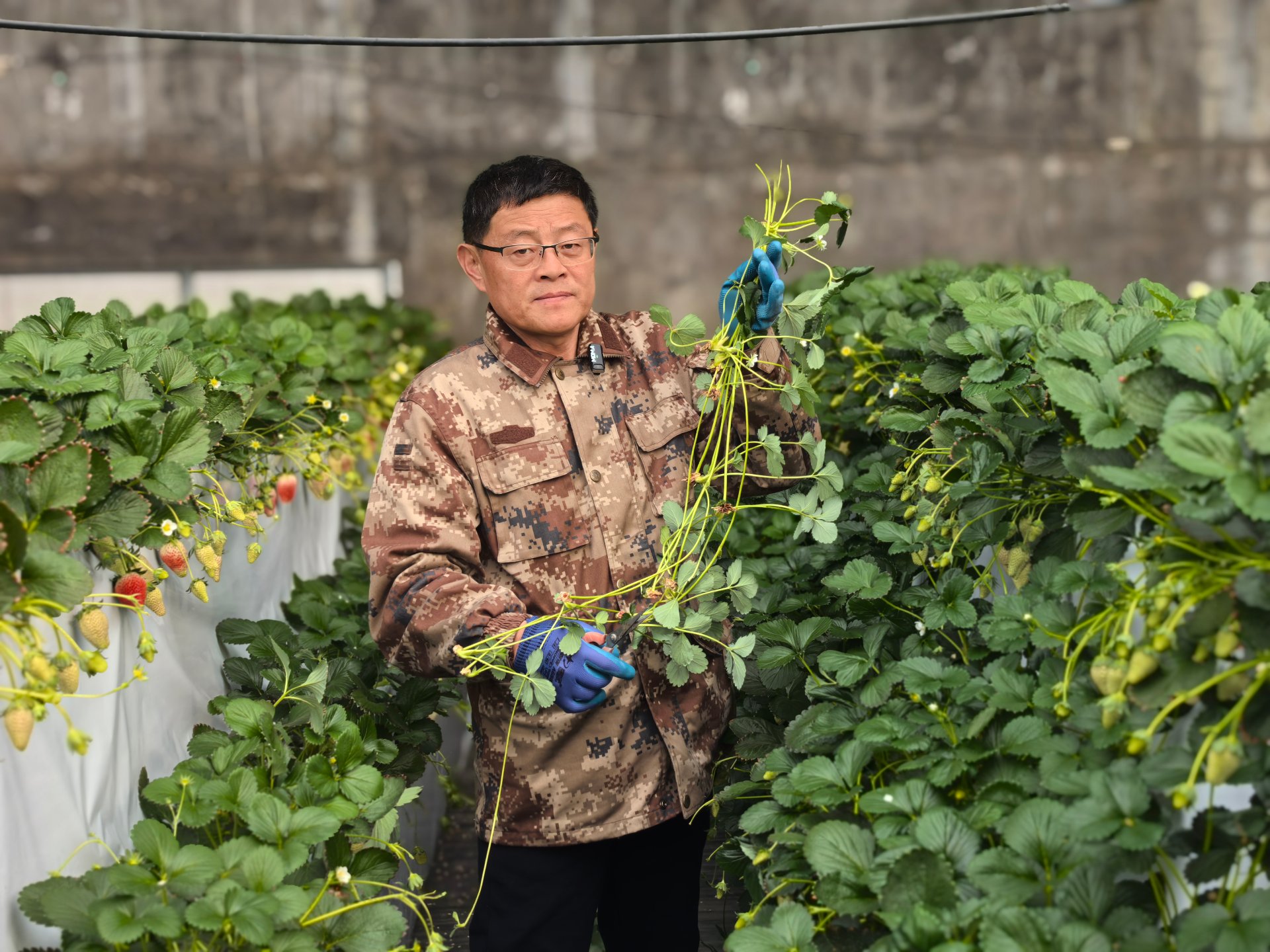
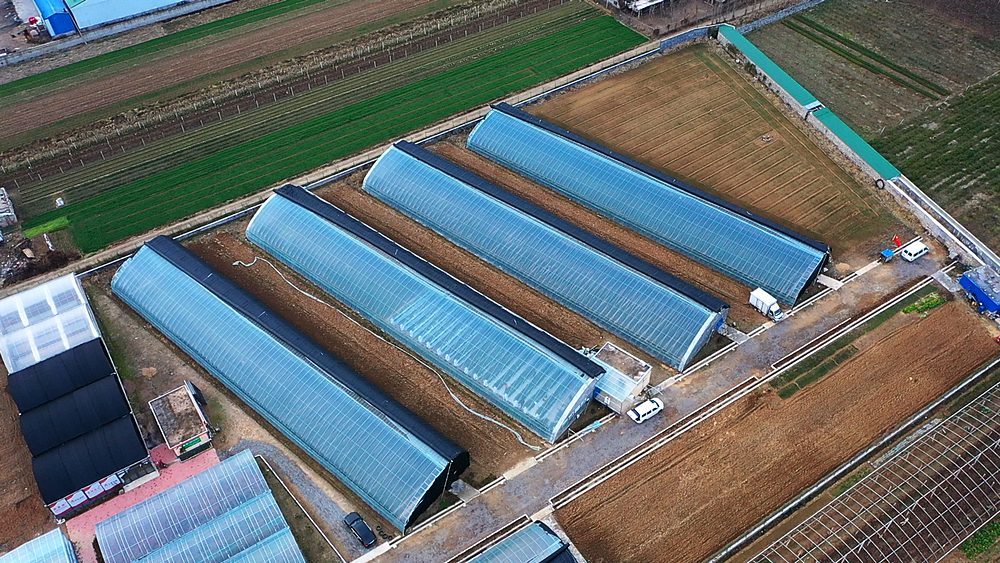
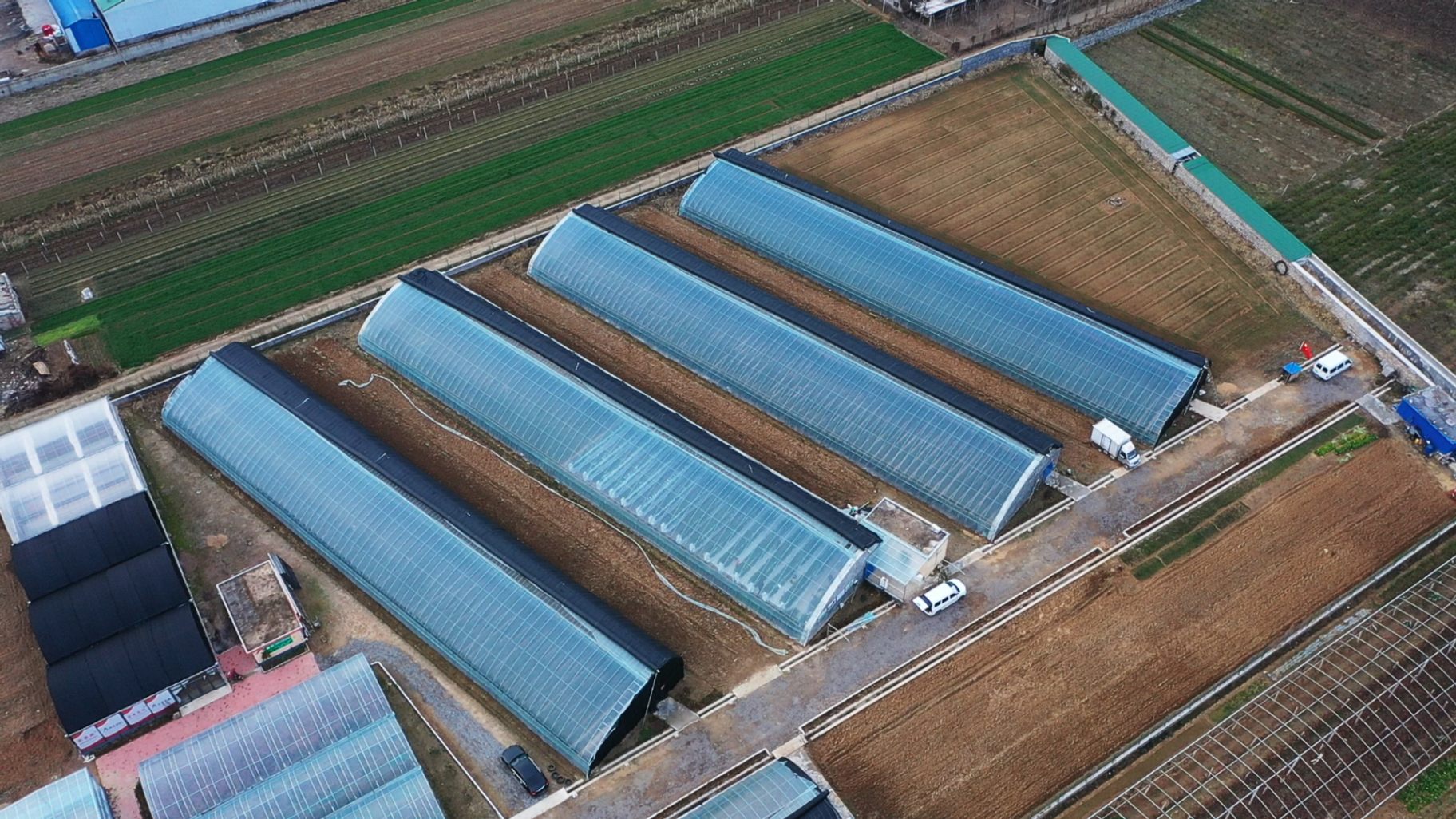
Our own demonstration base in Linyi, Shandong — the greenhouses you will train in.
200K–300Kplants from one mu (667 m² / 0.165 acre) of elevated nursery
2014
Founded (12 yrs)
200k+
Trainees trained
30
Provinces served
12
Clinical training greenhouses
What we offer
Everything we offer — from genetics and plants to the factory — is built on a single principle: total control.
We select elite strawberry genetics, manage cultivation with precision, and use engineered facilities. Free from disease and free from seasons — producing strawberries year-round, consistently and efficiently.
Strawberry Clinical Bootcamp
1–2 weeks · on-farm · China
Train at our 12 clinical-training greenhouses in Linyi: propagation, elevated culture, fertigation and the 5-step disease diagnosis, alongside our specialists.
We export Nongjiazheng's standardized strawberry solution: base planning, equipment specs, on-site training and ongoing remote support to your first harvest.
Based on our "Nongjiazheng 20+" framework — the 20+ controllable factors that drive crop growth — plus real farm case studies. Ideal before you travel, or as a refresher afterwards.
200,000–300,000 strawberry plants from a single mu
At our own demonstration farm we developed elevated vertical cutting propagation — an order-of-magnitude jump in how many plants one mu (667 m² / 0.165 acre) of nursery can produce. The same elevated-substrate logic, applied to fruit production, changes planting density, labour and fruit quality.
200K–300Kplants / mu (667 m² / 0.165 acre) ≈ 3–4.5M per hectare · 1.2–1.8M per acre
8–10× more plants from the same footprint
Conventional ground-bed propagation yields about 30,000–40,000 plants per mu. Published figures for Nongjiazheng's own farm reach 250,000–300,000 plants per mu with elevated vertical cutting propagation — an 8–10× increase in propagation rate, with lower labour intensity and a lower cost per plant.
This is the technique trainees practise hands-on at the base; the farm also shares it with growers nationwide through industry channels.
HEADLINE ADVANTAGE · PROPAGATION
Elevated substrate propagation
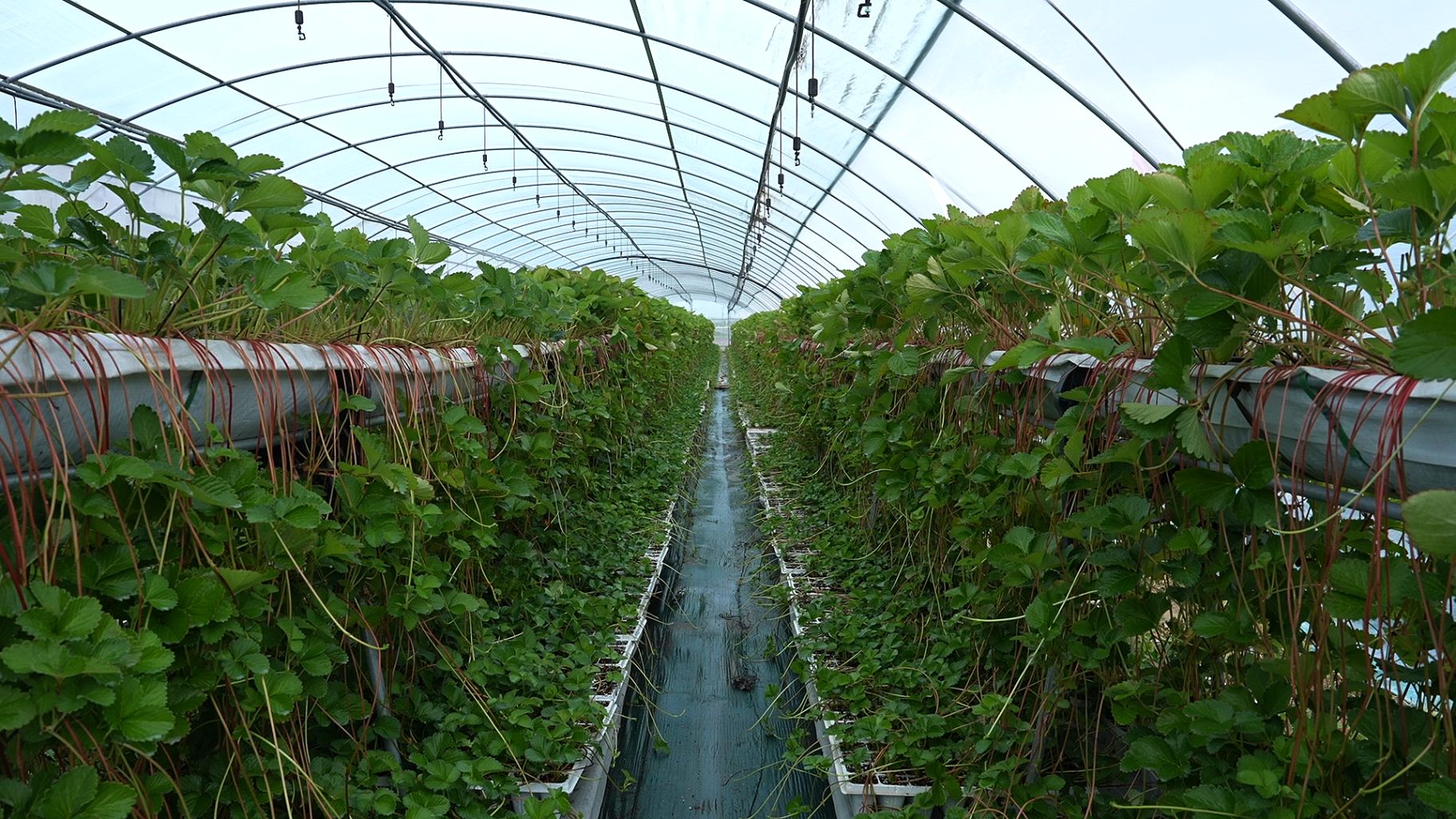
Vertical space, not more land. Mother plants sit on raised benches while runner tips are rooted in tiers and trays — the reason one mu can carry 8–10× the plants.
Clean substrate instead of soil. Coco coir, peat and perlite mixes avoid soil-borne diseases and replant problems, giving uniform plants with high survival rates.
Work standing up. Benches about 1 m (3.3 ft) off the ground make cutting, trimming and spraying waist-height jobs; labour is concentrated and cheaper.
Fertigation plus staggered rooting. Cuttings are scheduled to match your planting date for uniform, standardised cohorts. In 2024 the base produced 400,000 virus-free plants and over 1 million production plants.
FRUIT PRODUCTION · GROWING
Elevated substrate growing
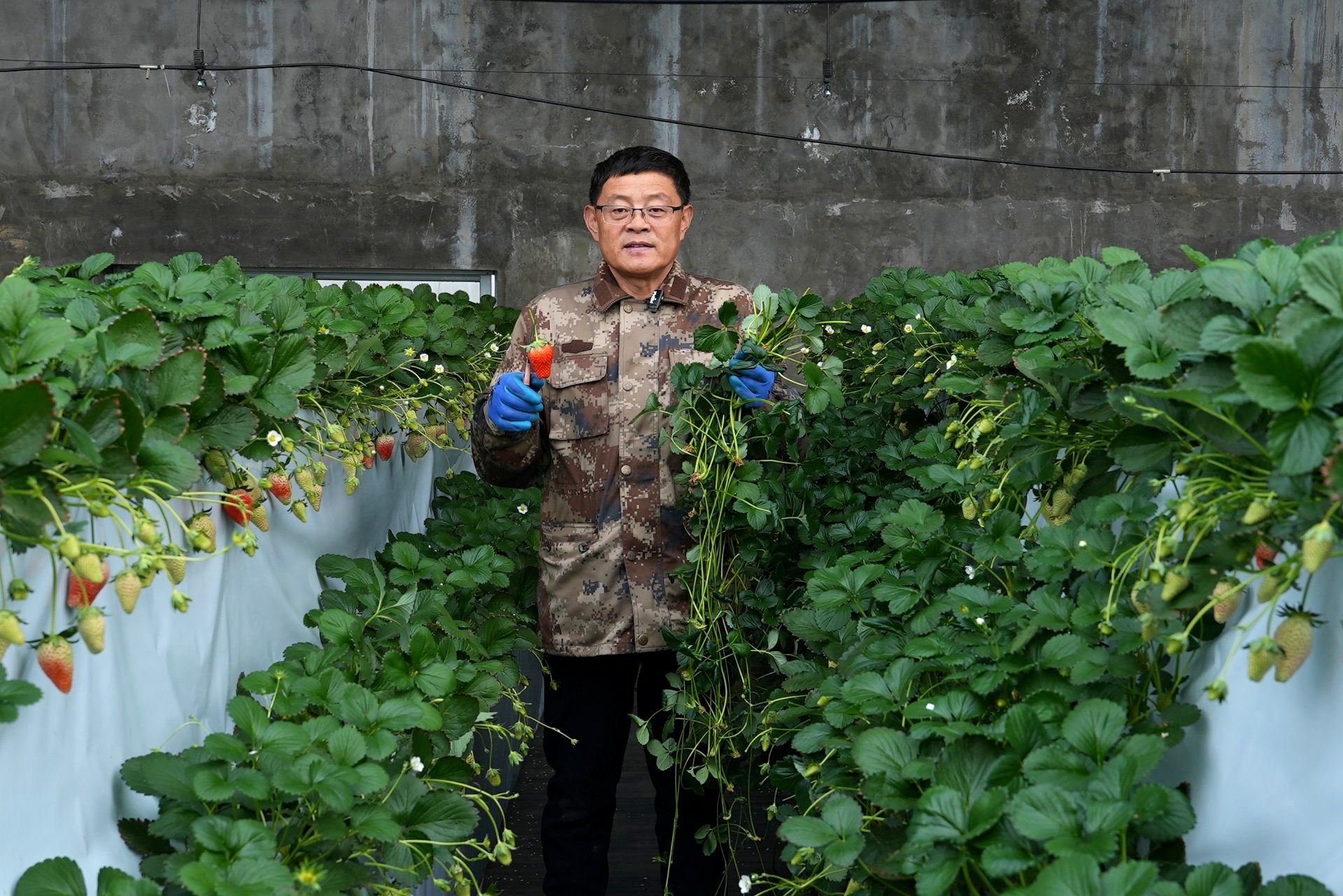
About double the plant density of a conventional soil tunnel, as reported for the farm's elevated houses — more crop from the same greenhouse.
No replant or soil-borne disease cycle. Soilless substrate avoids continuous-cropping obstacles, cuts pesticide use and keeps fruit clean, uniform and attractive.
Precision irrigation, one-touch fertigation. Remote-controlled micro-irrigation means one person can look after four to five tunnels; combined with green pest control, agrochemical use on the farm is down 30%+.
Fruit hangs clear of the ground. Easier picking for workers and a far better U-pick experience — a natural fit for premium and gift fruit.
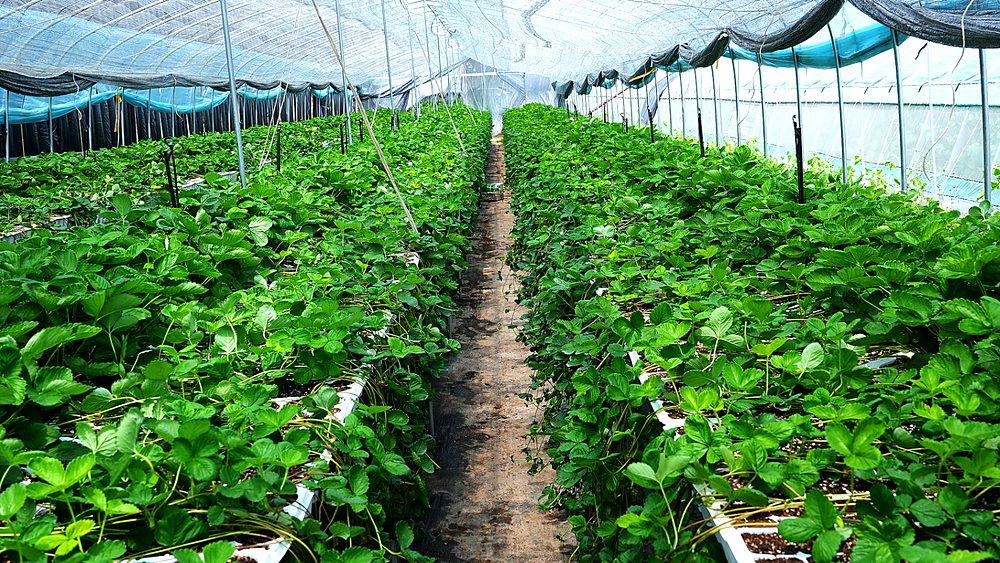
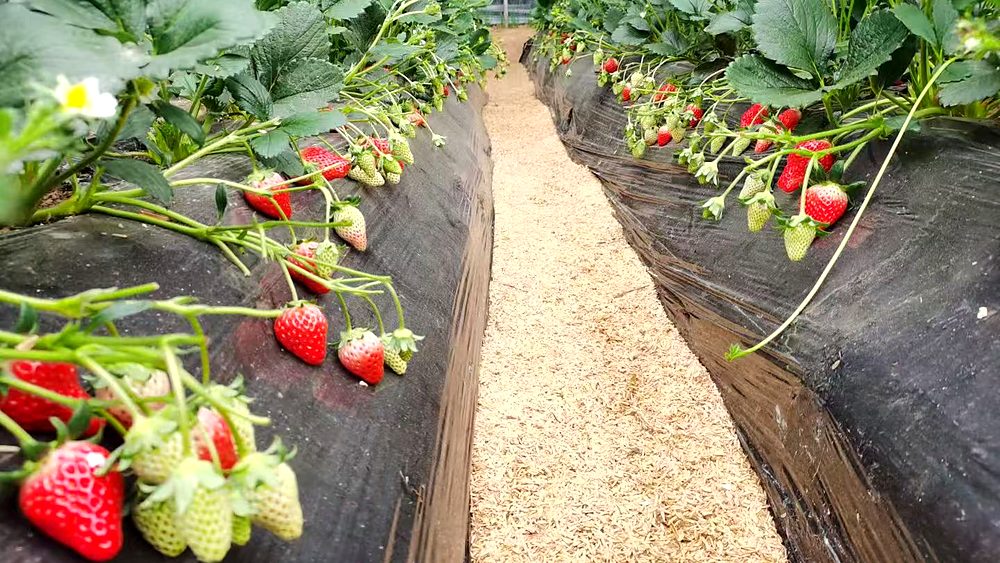
Elevated vertical cutting propagation — the 200K–300K plants/mu nurseryElevated substrate growing — clean fruit at waist height
Reading the units 1 mu = 667 m² = 0.165 acre = 7,180 sq ft · 1 hectare = 2.47 acres · 1 m = 3.3 ft · 1 jin = 500 g = 1.10 lb · 1 t/ha ≈ 0.45 US tons/acre.
Sources: Linyi Federation of Industry & Commerce, “Wan Qi Xing Wan Cun” case study of the Linyi Weiyi Fruit & Vegetable Family Farm; Dazhong News / Haibao News reporting on the farm's elevated cultivation; industry-wide propagation benefits cross-checked with the Inner Mongolia Agricultural Technology Extension Centre and Farmers' Daily. Figures are published results from this base; actual plant counts and yields vary with cultivar, season and management.
Start one step earlier — with the plant itself: high plant counts only pay off if the stock is clean. See how virus-tested planting stock is produced: meristem culture, pathogen testing and a three-tier multiplication chain, kept clean on our elevated benches.
China grows 38% of the world's strawberries — and the biggest gap is still the plant itself
Average yield is about half the Dutch figure, and most of the 20 billion+ plants replanted each year are saved on-farm, with virus contamination estimated above 70%. Clean nursery stock, elevated substrate growing and diagnostic crop management are what close that gap — and what we teach on the farm we operate ourselves.
38%of world output comes from China (FAOSTAT 2024)
26.9 / 60.4t/ha average yield, China vs the Netherlands
>70%estimated virus contamination in farm-saved plants
8–10×more plants per mu from our elevated nursery
Flagship program
Study in China, build your strawberry farm back home
We package years of Nongjiazheng's strawberry-specific know-how into a system you operate on your own land — with practical training and continued support after you return, plus access to our Foreign Expert Workstation breeding resources.
Facility & greenhouse design tailored to your site and climate
Equipment specification and trusted supply of healthy genetics
Hands-on training: from system operation to plant growth
Ongoing remote agronomy support (incl. international breeding experts)
From planning to first harvest — we've done it, and we'll help you do it too.
How to start
Three steps to your program
1
Tell us your goal
Fill the application form or book a call. We'll confirm the right program, duration and language.
2
Plan & visa
We send a tailored plan, a written fee quotation and accommodation details, plus the invitation documents and guidance for your short-term training visa.
3
Train in China
Arrive, train on real farms, and leave with skills — or a plan to build your own base back home.
For international participants
Practical questions, answered
We work with commercial growers, cooperatives, agronomists, agribusiness investors and universities — particularly across Southeast Asia, Central Asia and Eastern Europe. Here is what overseas teams usually ask before booking.
Do I need to speak Chinese?
No. We confirm the training language with you before you travel, and bilingual on-site coordination is included with every on-farm program. Tell us which language your team works in when you inquire.
Which visa do I need?
A short training stay requires a visa appropriate to your purpose. We issue the invitation documents and guide you through the paperwork; your nearest Chinese embassy or consulate confirms the correct visa category for your nationality. Please check this before booking flights.
Where does the training actually take place?
At our own demonstration farm in Feixian County, Linyi, Shandong, China — the same greenhouses we operate ourselves, not a hired classroom. Airport pickup and on-base or partner lodging are arranged for international groups.
How are fees quoted and paid?
Program fees are quoted in Chinese yuan (CNY), with indicative US dollar equivalents on our Programs page. You receive a written quotation stating the exact scope and amount before anything is confirmed. International travel, visa fees and insurance are handled separately.
Can you help us build a strawberry farm in our country?
Yes. Our Tech Export & Base Co-building service covers site and climate-adapted design, equipment specifications, healthy plant material, on-site training and remote agronomy support through your first harvest.
Is there an option if our team cannot travel yet?
Yes — the Nongjiazheng 20+ Online program covers the 20+ factors that drive crop growth with real farm case studies. Many teams use it as a primer before arriving in China or as a refresher afterwards.