06 · Nongjiazheng
Clean stock that stays clean through propagation
A virus-tested plant loses its value the moment it is multiplied back into infected soil. Our answer is to connect the laboratory directly to an elevated-substrate nursery — and to teach that whole chain, not just one step of it.
LABORATORYThe full chain is visible on site
Many training programmes show a greenhouse but never the lab where plant health is decided.
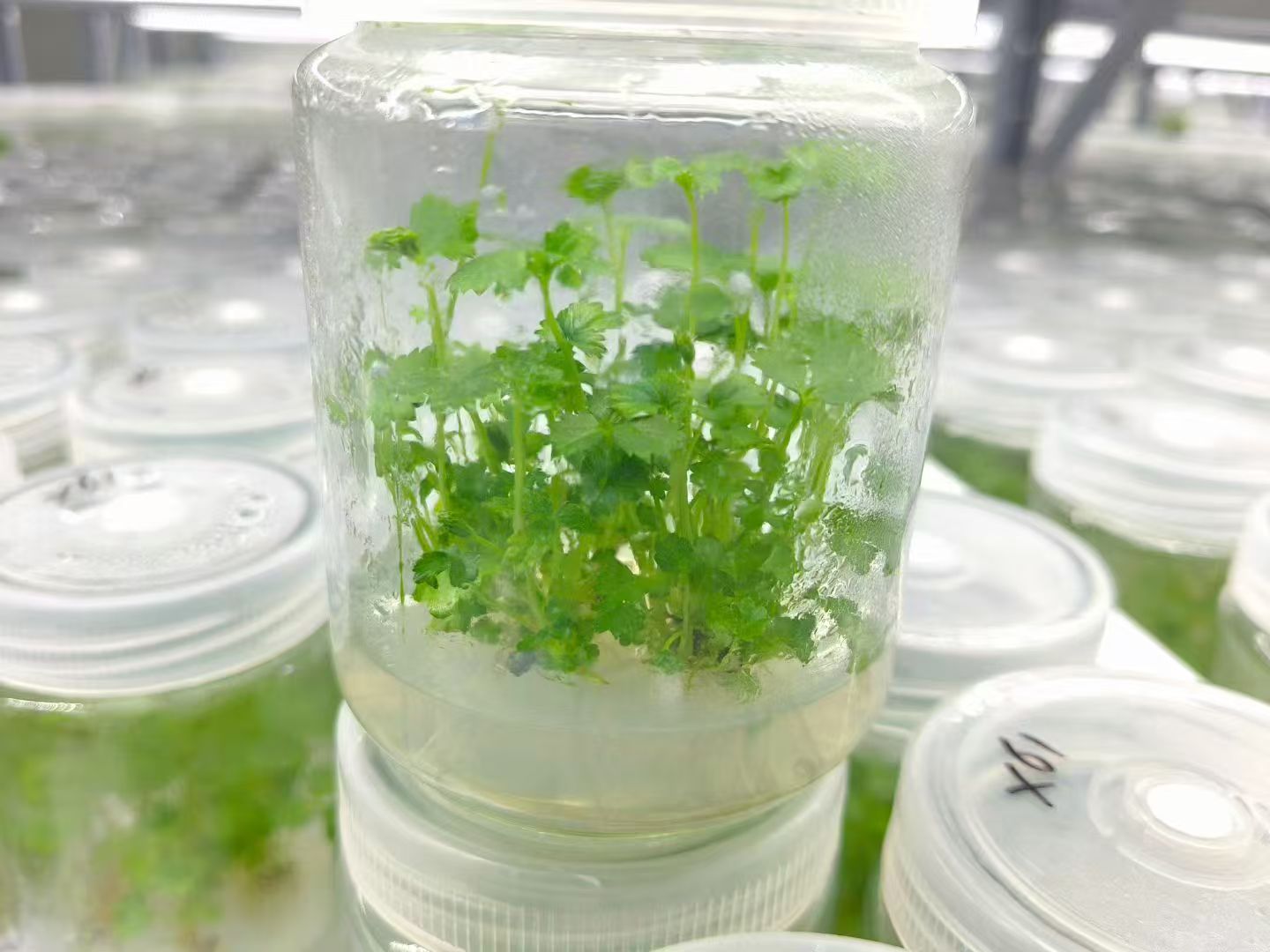
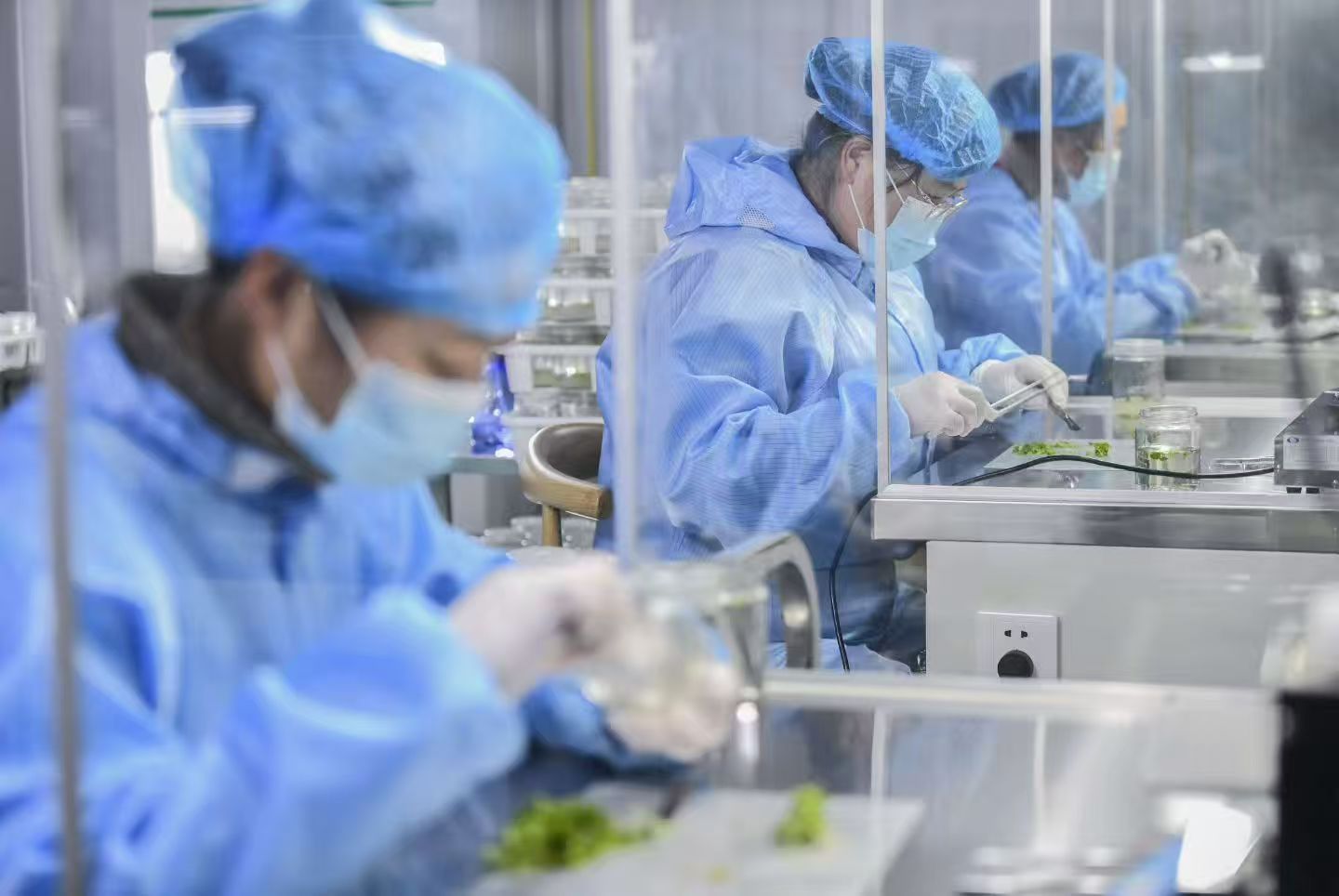
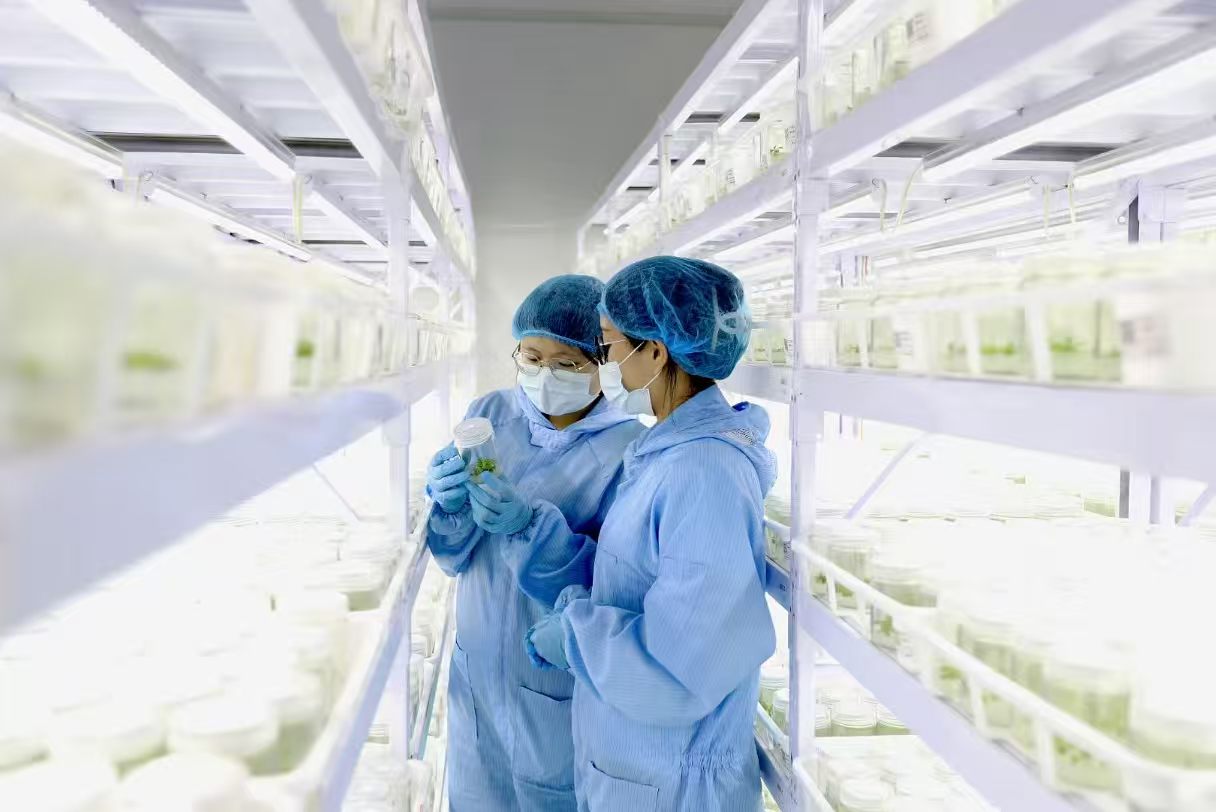
OUR PRACTICEOur own tissue-culture lab handles excision, culture, rooting and hardening; trainees can follow a batch from vessel to bench.
CAPACITYDocumented production, not a claim
“We supply clean plants” is easy to say and hard to verify.
OUR PRACTICEPublished figures for the base: 400,000 virus-free plants and over 1 million production plants in 2024, alongside elevated vertical cutting propagation.
THE KEY LINKElevated substrate multiplication
Clean nuclear stock is often re-contaminated when runners are rooted in open field soil.
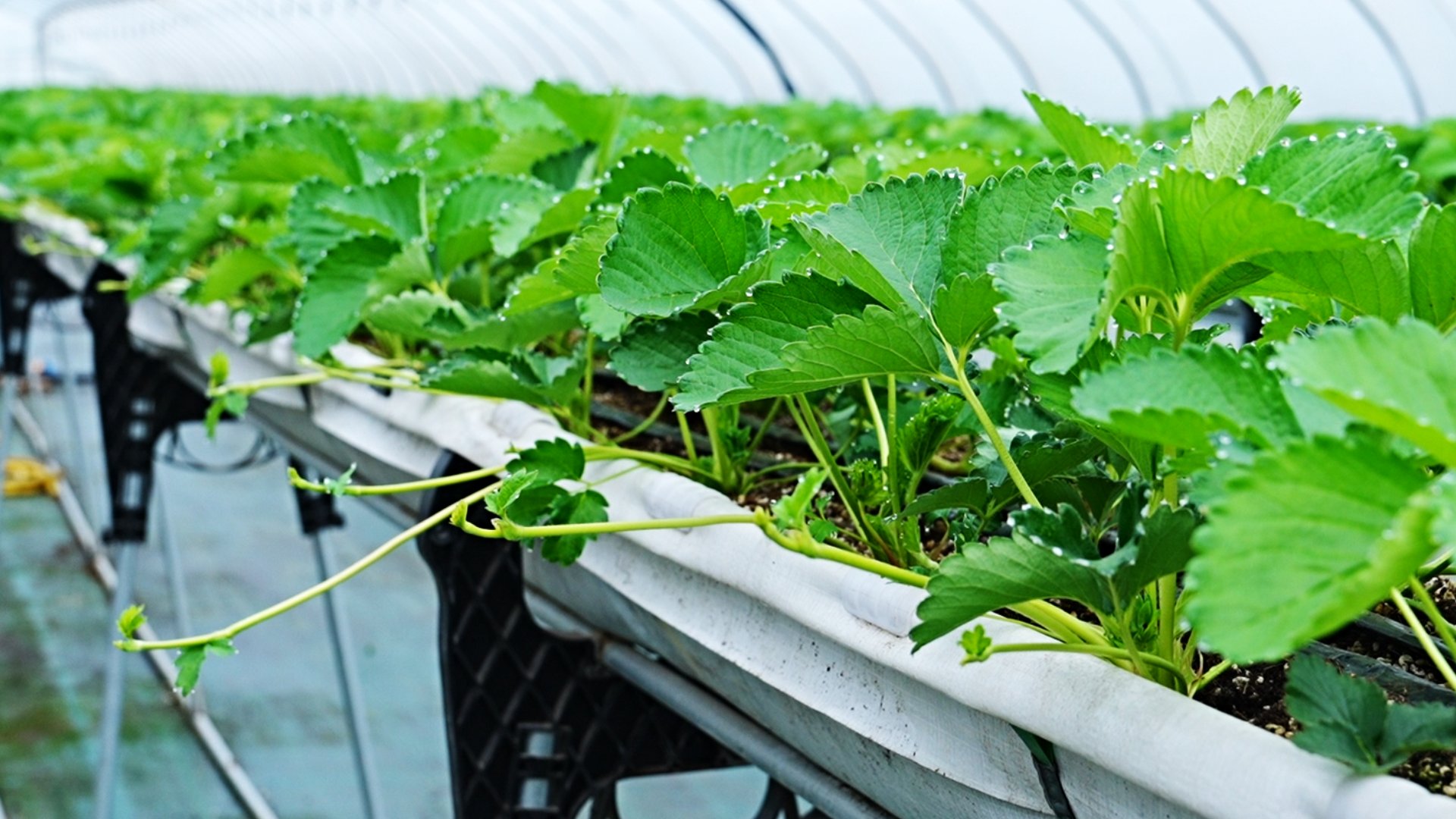
OUR PRACTICERunner tips are rooted in tiers and trays of soilless substrate about 1 m (3.3 ft) off the ground — 200,000–300,000 plants per mu, without a soil-borne disease cycle.
METHODPlant quality inside a diagnosis
Buying better plants alone rarely fixes an underperforming greenhouse.
OUR PRACTICEOur “clinical” 20-factor checklist treats stock health as one input alongside substrate, density, fertigation, climate and crop diagnosis.
FITCultivar matched to your climate
A cultivar that performs in Shandong may fail in a tropical or high-altitude site.
OUR PRACTICEWe start from your climate, market window and labour model before recommending genetics — then test them in our clinical-training greenhouses.
SUPPORTTaught, then supported
Knowledge fades once a team returns home and faces a different pathogen spectrum.
OUR PRACTICEHands-on lab and nursery sessions, bilingual delivery, a written scope of supply, and remote agronomy support after you return.